
The Archetypes And Food
What If Your Archetype Is Trying To Tell You Something Through Food?

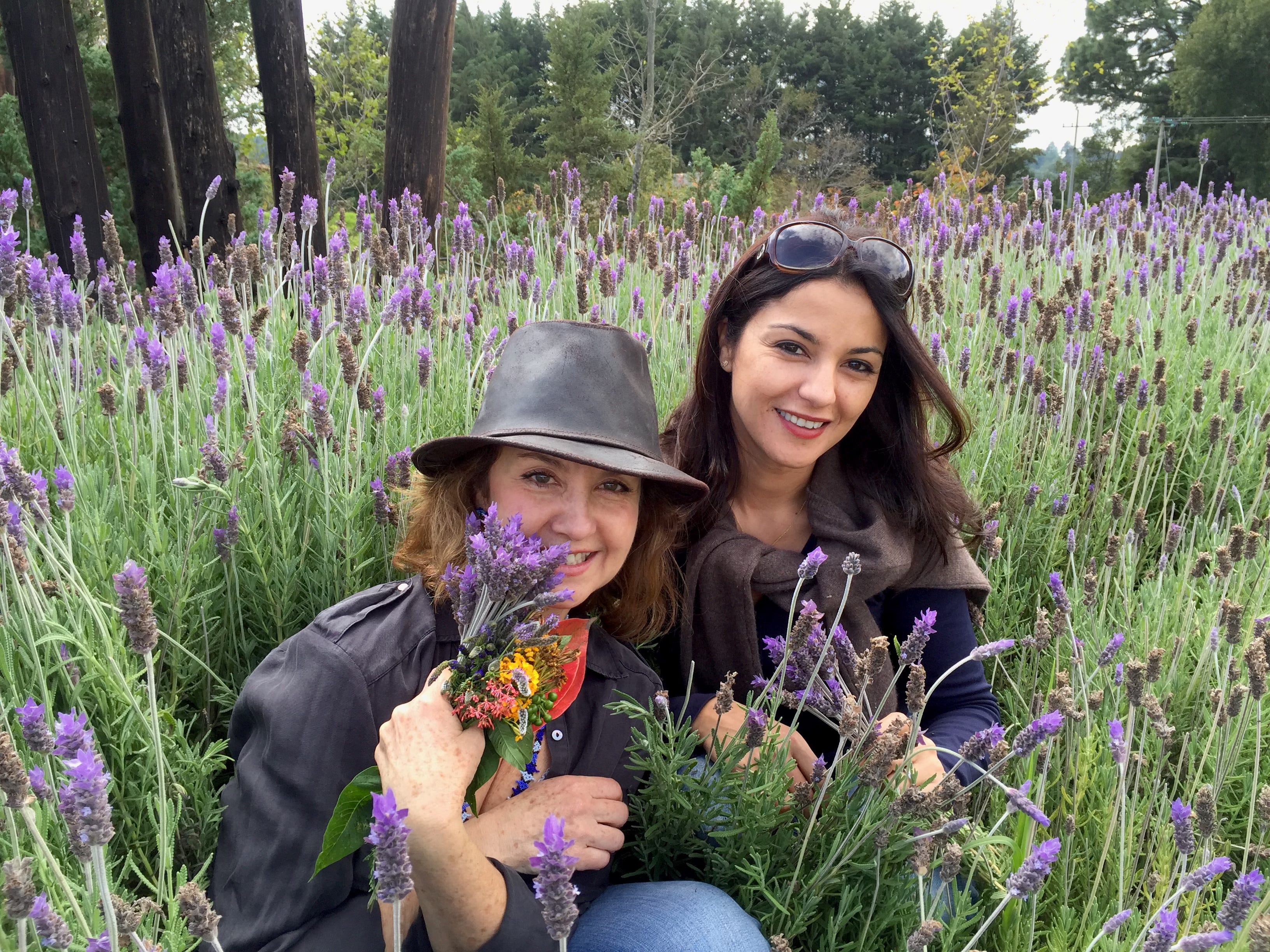
It started with a message from my Mexican soul sister Pilar Fátima, Pili as friends call her, who shared the program for her extraordinary course, Transitar los 40s: El desafio de inventarte. Navigating your 40s: The challenge of reinventing yourself. I stayed late at night listening to her and watching her. She is exactly the same person I have known for the past ten years. Only now she has a confidence and a way to share her wisdom I rarely saw in any other person.
Pili speaks about the two halves of life, the solar stage and the lunar stage. The solar years are the years of building, proving, achieving, belonging. The ego, magnificent and necessary, constructs its identity like a house of careful bricks. Then, somewhere between 35 and 55, a stone appears in the path. You trip. And the trip, Pili says, is not a mistake. It is the beginning of the real journey.
I had heard about archetypes before, but it was Pili who made them easy to understand. In her two-hour workshop, she draws on the work of Carl Jung, the Swiss psychiatrist who first mapped the archetypes as universal patterns living in the human unconscious. American scholar Carol S. Pearson, later developed a framework of twelve archetypes that together trace the journey toward wholeness.
The twelve archetypes are not stages to complete and discard, but energies to embody, integrate, and carry forward. And I thought: what if each of these archetypes had a food? What if our relationship with food is actually the story of our soul’s journey?
This is my kitchen. These are my archetypes.
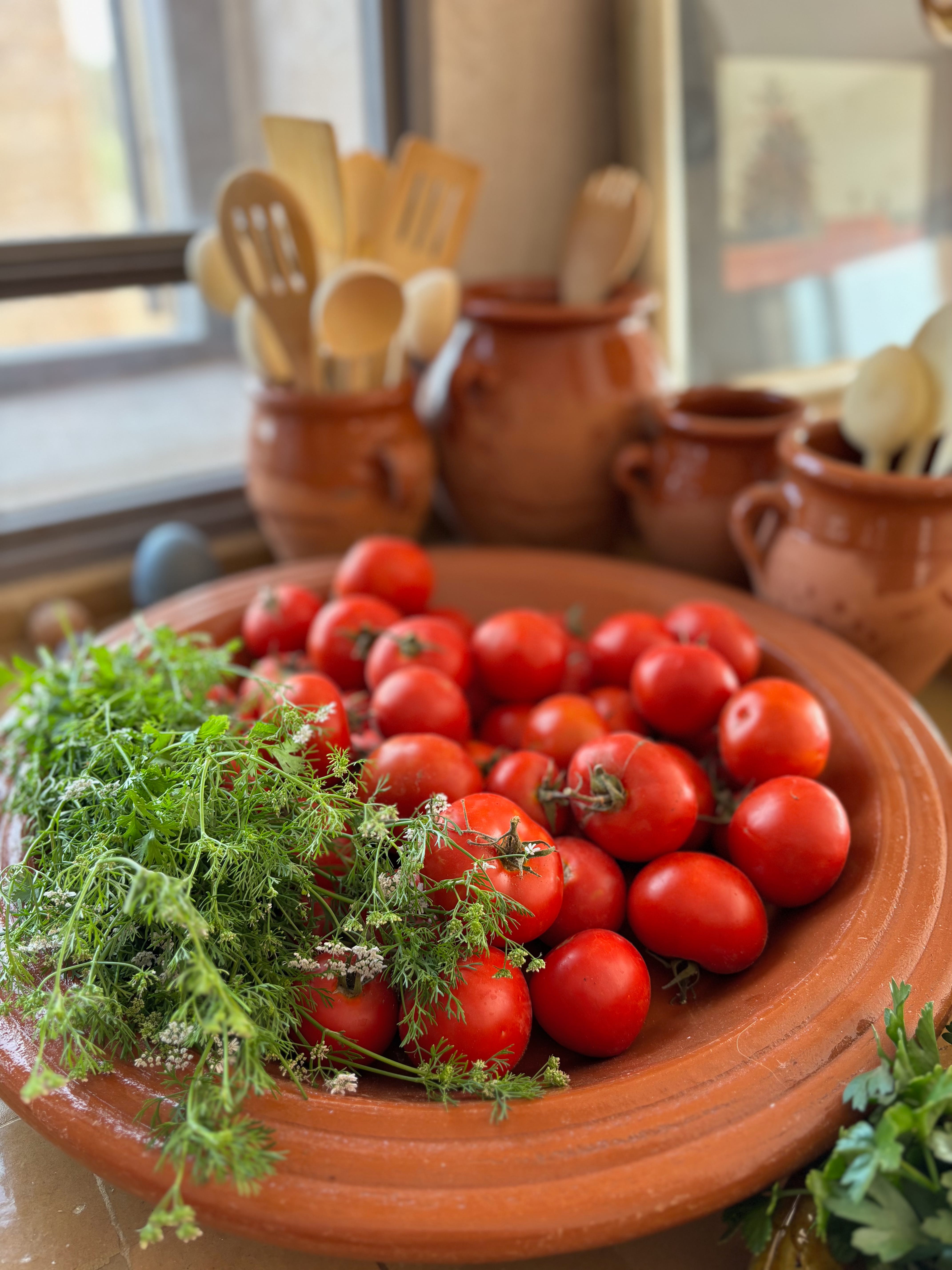
The Innocent — Stuffed Fresh Tomatoes
The Innocent trusts the world completely. She sees beauty in the ordinary and goodness in others, and she believes, with her whole heart, that things will work out. Her gift is wonder, the ability to approach life with openness and without armor. Her shadow is naivety, a trust so complete that it has not yet learned to discern.
I was six years old or maybe younger. Alone, but not lonely, not yet. I took fresh tomatoes and filled them with white rice mixed with a simple vinaigrette, then decorated each one with cured black Moroccan olives. I don’t remember being taught this. I remember just doing it and I felt proud of my tiny creation.
What strikes me now is that even as an Innocent, I was already a Creator. I was not receiving nourishment, I was making beauty. The Innocent in me was never passive. She was a child who believed the world was a kitchen, and that she had permission to create in it.
She is still with me, that little girl. I don’t always let her out. But she is there. And on the days I do let her out, the cooking is always better.
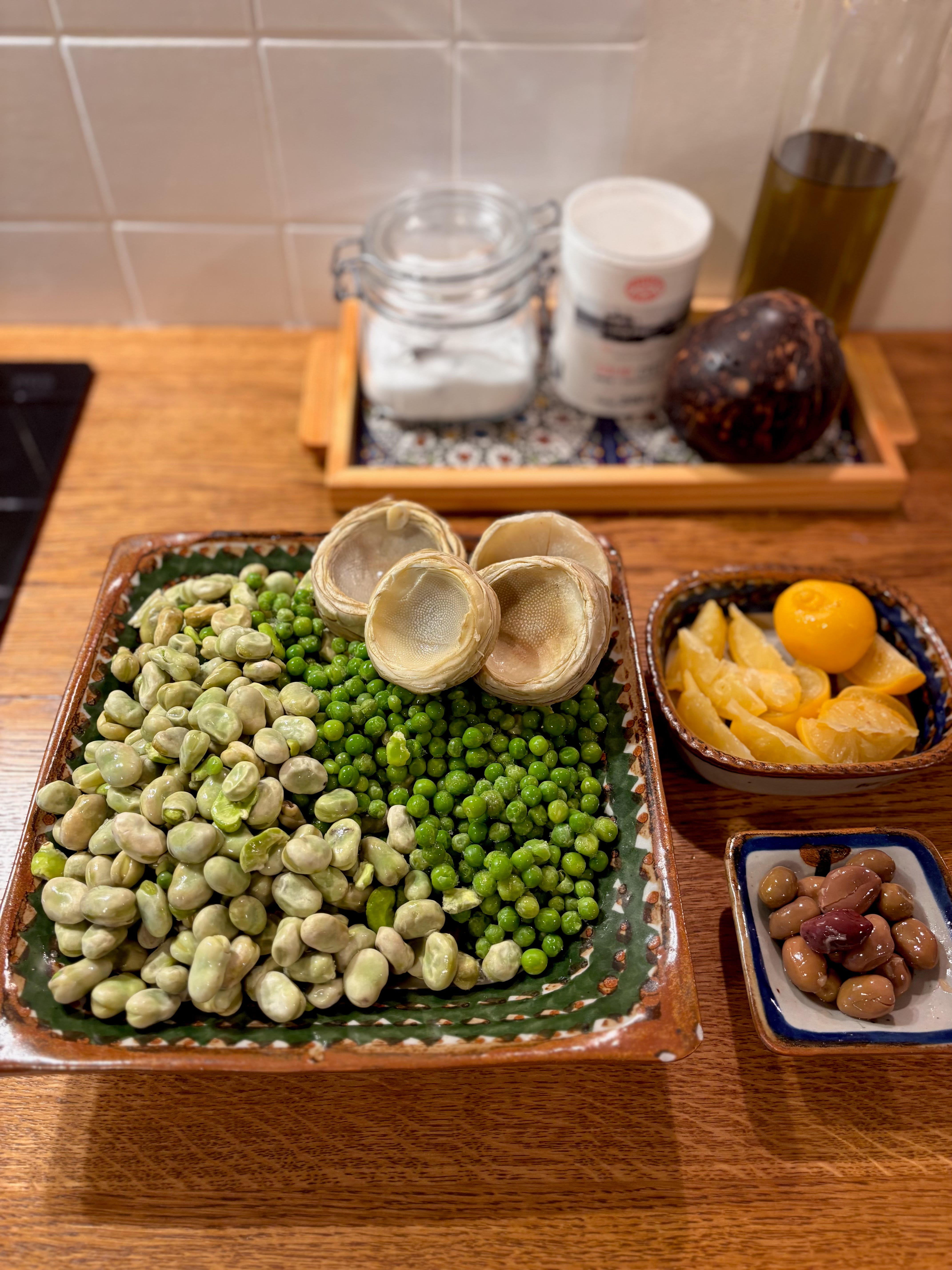
The Orphan — Impossible Tagine
The Orphan arrives when innocence shatters and the world reveals itself as less safe than we believed. She is the part of us that has been abandoned or left to figure things out alone. Her gift is resilience and a deep solidarity with others who suffer, because she knows what it is to be without a net. Her shadow is the wound that never quite heals, the part that keeps expecting to be left.
My parents were in another town for work. A family member was caring for me. My older brother had just died. I had lost him, and in losing him, I had lost my parents to their grief. They were there, and they were not there.
Once, my caretaker made an artichoke and green peas tagine with lamb. Typical winter vegetables you would find in any Moroccan market. I decided I would eat the peas through a straw. Or at least I tried. But that image remains in my memory, a little girl trying to eat some peas with a straw, and everything she had counted on, gone.
The Orphan finds ways to fill what is missing. For years, I ate too much, and not always the kind that nourished anything. It was never really hunger for food but hunger for something food could never give. I did not know this yet. I was just trying to survive.
The Orphan teaches resilience. She teaches you that you are stronger than the abandonment. I have visited her many times across my life and each time she came, I learned something harder and truer about my own survival. I’ve made peace with her and learned from her. Every time I make an artichoke tagine for my family I remember the straw.
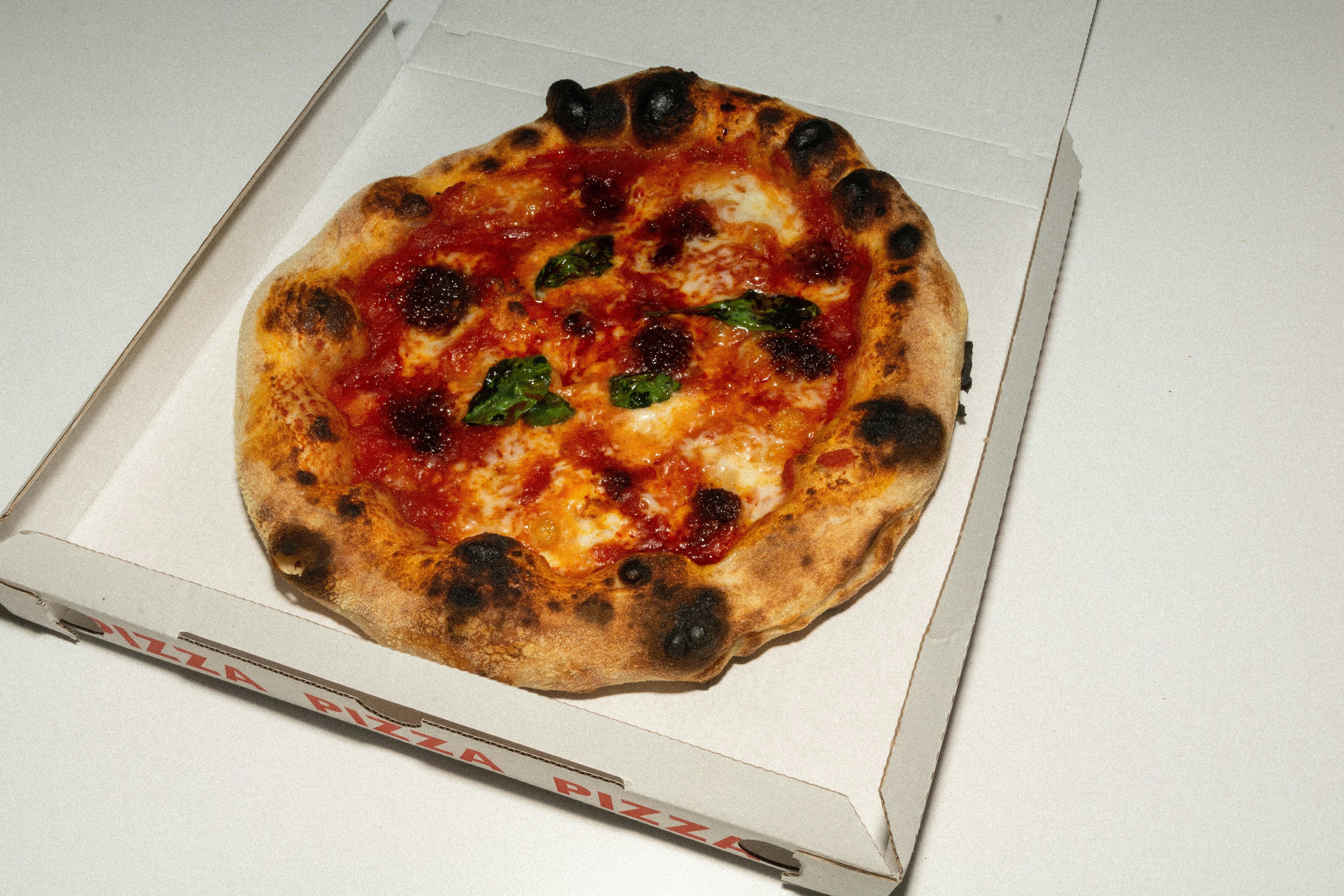
The Warrior — Pizza on the Floor
The Warrior sets goals and fights for what matters. She builds her identity through will and discipline, and she is magnificent and exhausting in equal measure. She is also, simply, necessary.
I have been a Warrior many times. In investment banking meeting rooms where I was often the only woman, and certainly the only Moroccan woman. In the sugar cane fields of the Dominican Republic, camera in hand, documenting the lives of Haitian families in the bateyes who the world had chosen not to see. In the bureaucratic labyrinths of international organizations where I learned to fight for children’s rights.
And after every battle, the last thing I wanted was to cook. The Warrior’s food, in my life, is pizza on the floor, surrounded by moving boxes.
I have lived in six countries across thirty years. Each move was its own ordeal, paperwork and pet documents, new schools, new languages, new social codes. And at the end of every moving day, when the movers had carried the last box and stood there sweating and done, I would order pizza. We would all sit on the floor, me, the movers, whoever was there, and eat from the boxes.
Just hunger satisfied after a long day of hard work. That is the Warrior’s real celebration because it’s the moment when the sword finally goes down.
I am still a Warrior but I have learned to choose my battles.
The Caregiver — Couscous The Slow Way
The Caregiver nurtures and feeds. She is the one who shows up, who anticipates needs before they are spoken, who makes sure everyone at the table has enough. Her gift is love expressed through action, the kind that asks nothing in return and transforms ordinary gestures into devotion. Her shadow is giving until she disappears, becoming so devoted to others that she forgets she too needs to be nourished.
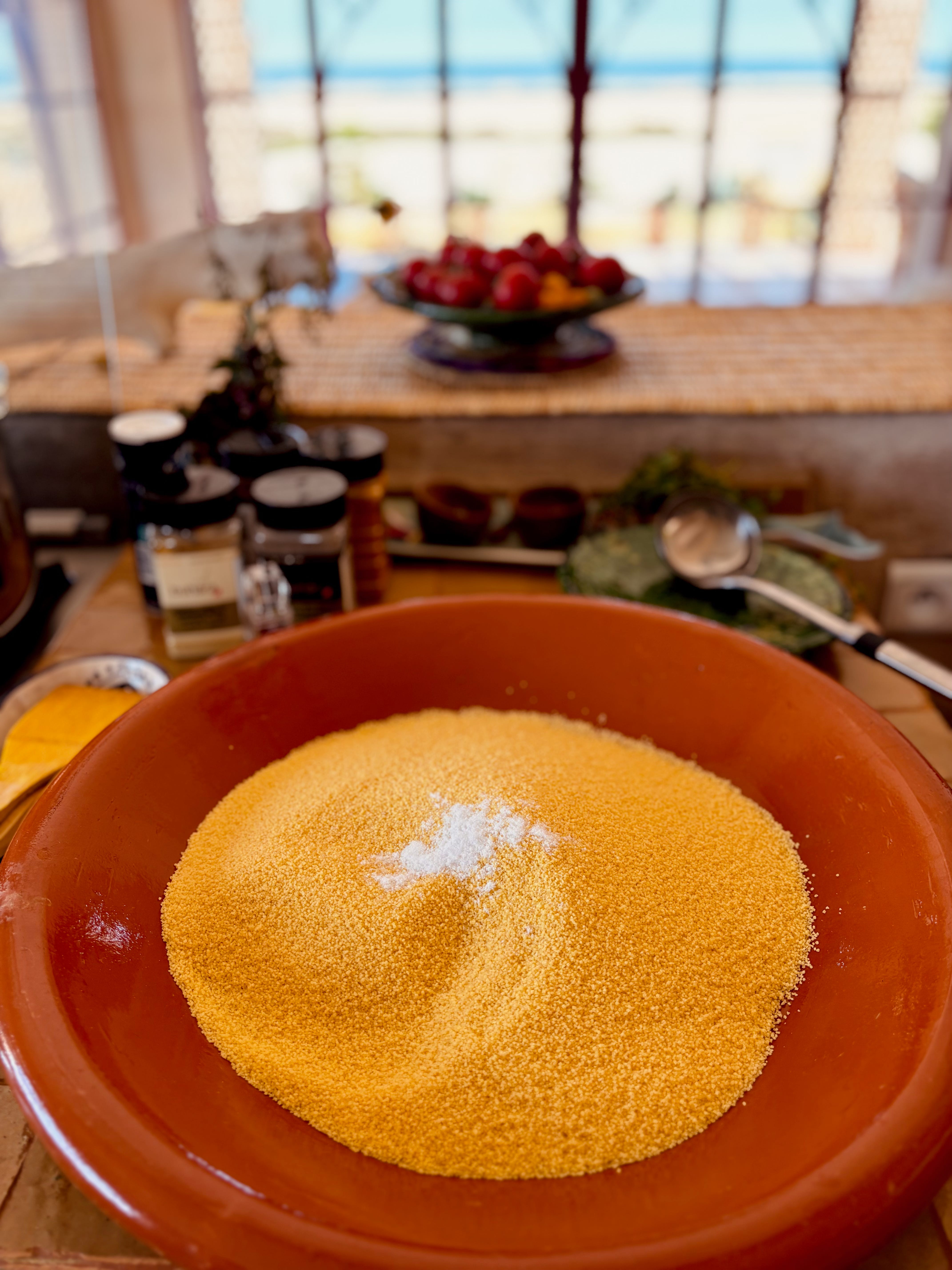
Couscous was never meant to be eaten alone. In Morocco, it arrives in a wide communal dish, shared by everyone at the table, sometimes everyone in the neighborhood. It is food that assumes community, that only makes sense when there are others around it.
Couscous is not a quick meal and you cannot fake it. The grains must be steamed, then hand-rolled, then rested, then steamed again. It takes hours and your full attention.
When I make couscous for someone, I’m telling them: honey, you are worth the slow way.
I spent years giving this kind of devotion to others, to causes, to institutions, to people, while forgetting to make couscous for myself. The shadow of the Caregiver is martyrdom dressed as generosity. I know it well. What saved me was learning that I cannot pour from an empty vessel. My own nourishment is the source of it.
Now I make couscous for those I love deeply. And sometimes, just because I’m craving it.
The Seeker — Guacamole with a Crunch
The Seeker leaves home in search of something she cannot yet name. She is pulled toward the foreign, the unknown, the experience that will crack the world open and reveal its unexpected largeness. Her gift is the courage to keep moving, to choose growth over comfort, to trust that what she is looking for exists even before she knows what it is. Her shadow is the bittersweet feeling that comes from loving many places and belonging completely to none.
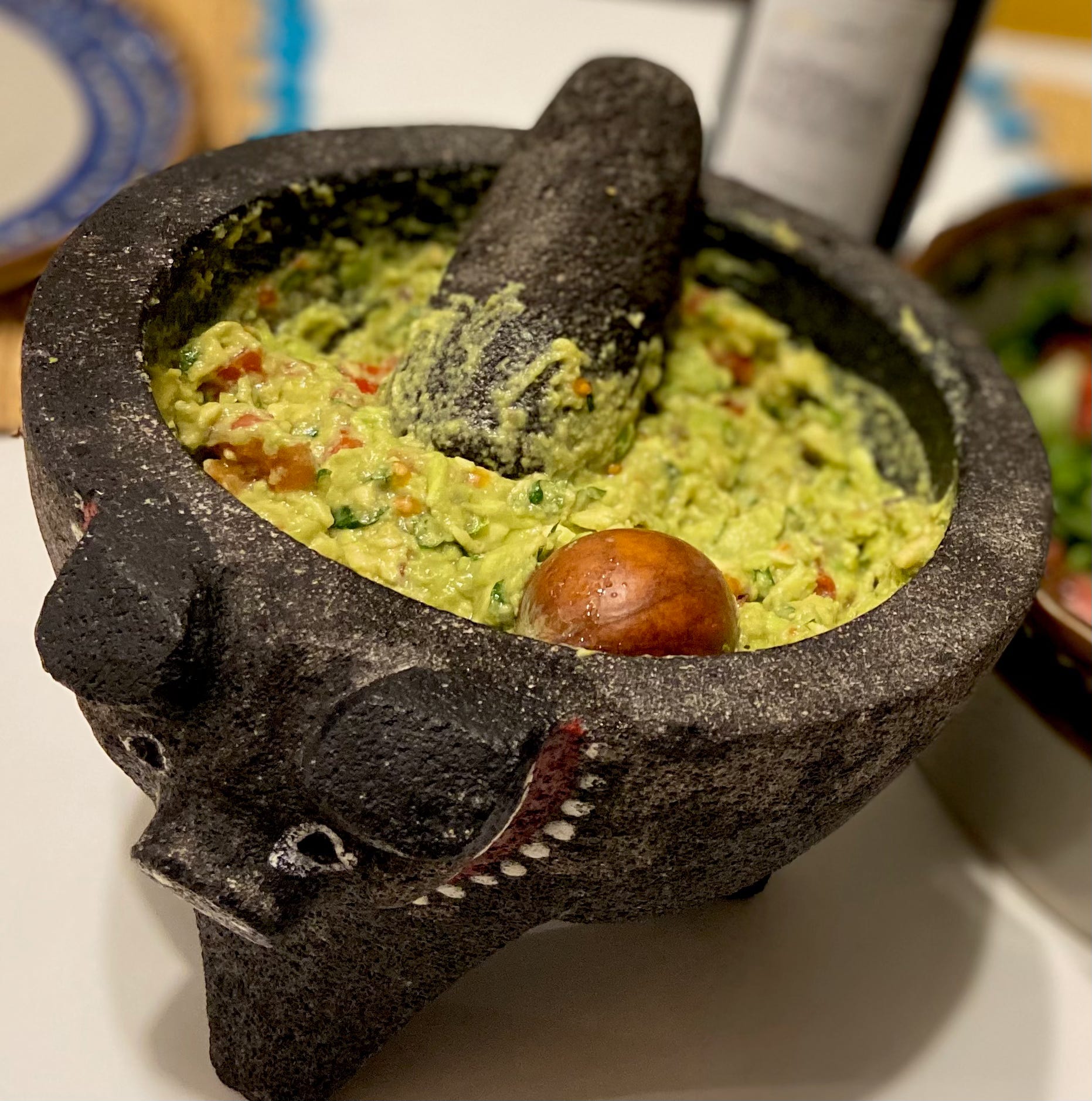
In Mexico, a friend served guacamole topped with toasted grasshoppers. Chapulines, as they are called in the land of the Aztecs. They came lime-kissed, chile-dusted, and completely foreign to everything I had ever tasted. My curiosity was stronger than my hesitation. I tried them and I did love them. Now chapulines are part of my pantry everywhere I go.
That moment felt like the Seeker’s entire lesson in a single bite. The world is always larger and stranger and more nourishing than our fear would have us believe.
Thank you, Pili’s Mexico, for this lesson that tasted of lime and courage.
I have been a Seeker my whole life, moving through six countries and as many kitchens, each one a different version of home. I am not sure the Seeker ever fully stops. But she learns, eventually, that the searching itself was making her whole all along.
The Lover —Kefta Rolled with Devotion
The Lover is the archetype of full commitment. She loves fully and completely, giving herself to people, to beauty, to a cause, to a place. Her gift is passion and deep connection. Her shadow is losing herself in what she loves, forgetting where she ends and the other begins.
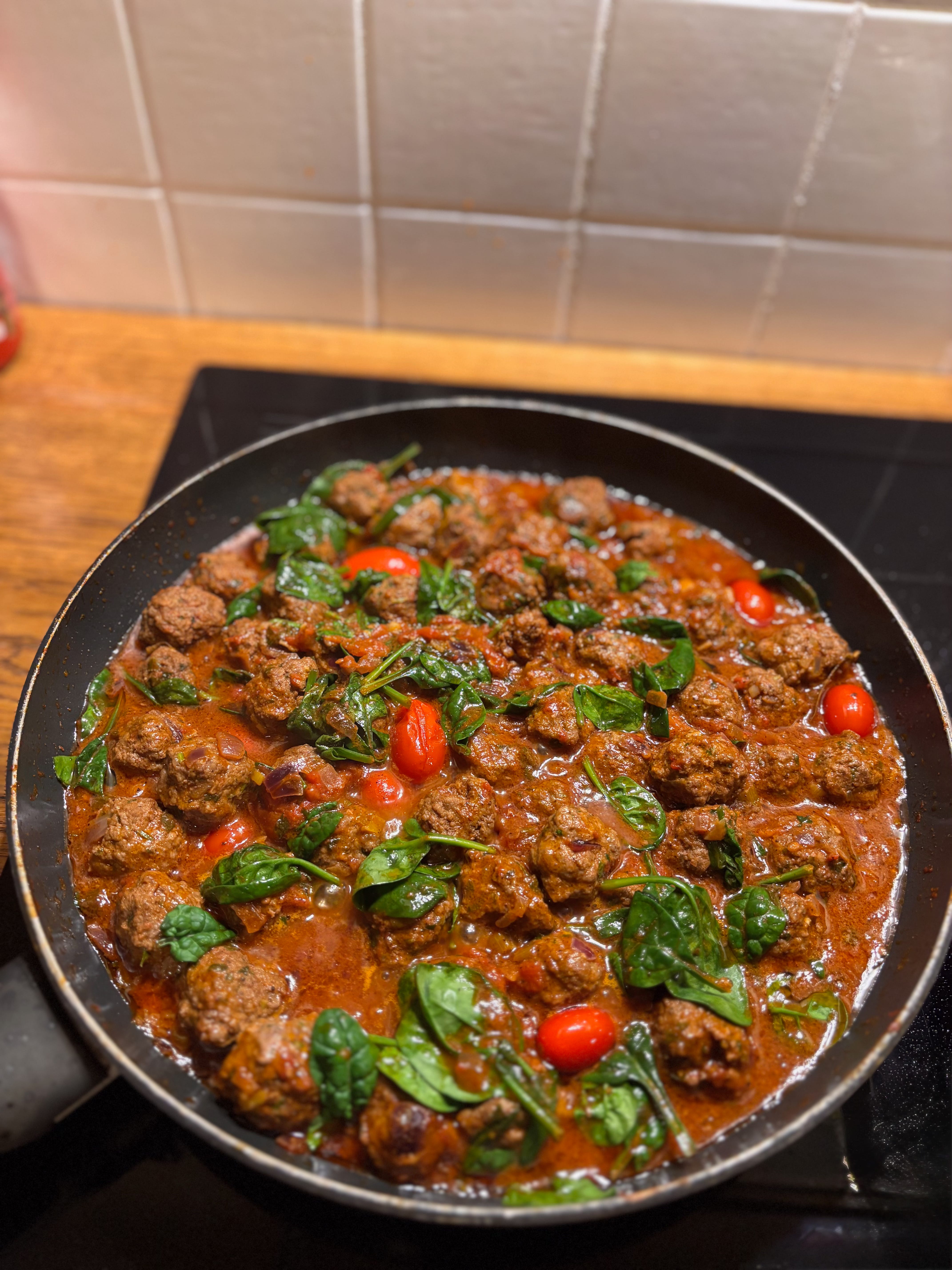
Kefta is one of those dishes that every Moroccan cook makes differently. Same ingredients on paper, but a completely different result depending on who prepared it. A little more cumin here, fresh coriander instead of parsley there, a touch of cinnamon that no one admits to but everyone secretly adds. Love is the same. It looks universal from the outside. Inside, it is always entirely your own.
Kefta tagine is made with your hands, and there is something meditative about it, almost devotional. That’s why it can taste entirely different depending on why you make it. Prepared exhausted after a long day, it is sustenance. Prepared for someone you love, it becomes a language. The archetype lives in the intention as much as in the food.
The Destroyer — Everything Fried
The Destroyer lets go of what no longer serves. She tears down what has outgrown its usefulness to make space for what wants to come next. Her gift is transformation through release, the courage to end what needs ending even when it is painful. Her shadow is destruction without purpose, tearing down out of anger or fear rather than wisdom.
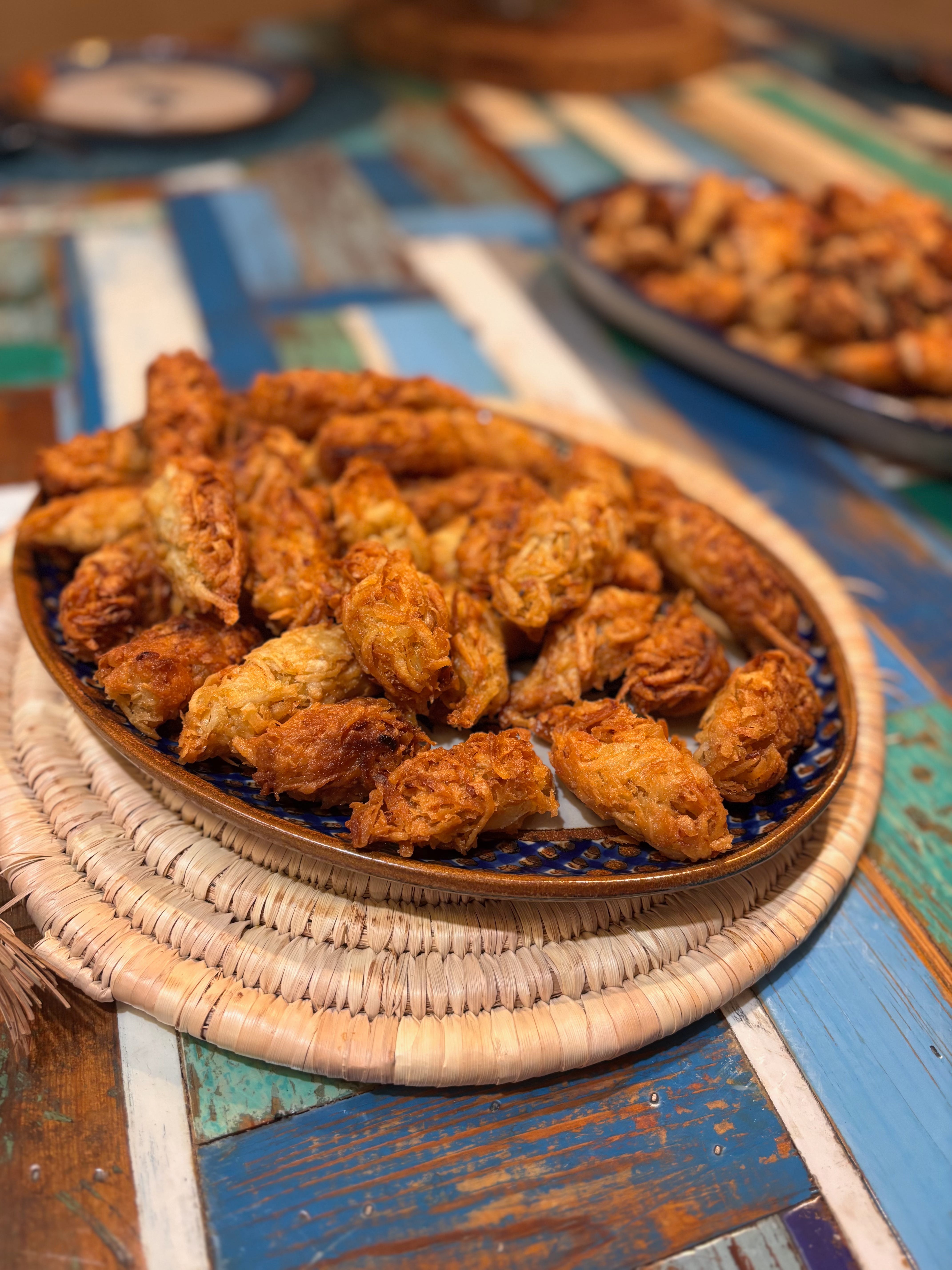
The Destroyer arrived through my body, uninvited. My auto-immune disease rewrote my relationship with food without consulting me. Everything fried and crispy became off limits.
The body as Destroyer is one of the most humbling versions of this archetype, because it simply makes clear that the chapter is over, without offering explanation.
But here is what I have learned from the walking palm, the only tree that moves toward light, leaving behind roots that no longer serve it, to make room for new growth. Release is not necessarily loss. Release is the only way to move forward.
And now and then, when I feel like it, I have the fried thing anyway but with full presence and zero guilt. Because the Destroyer integrated is discernment.
The Creator — Moroccan Empanadas
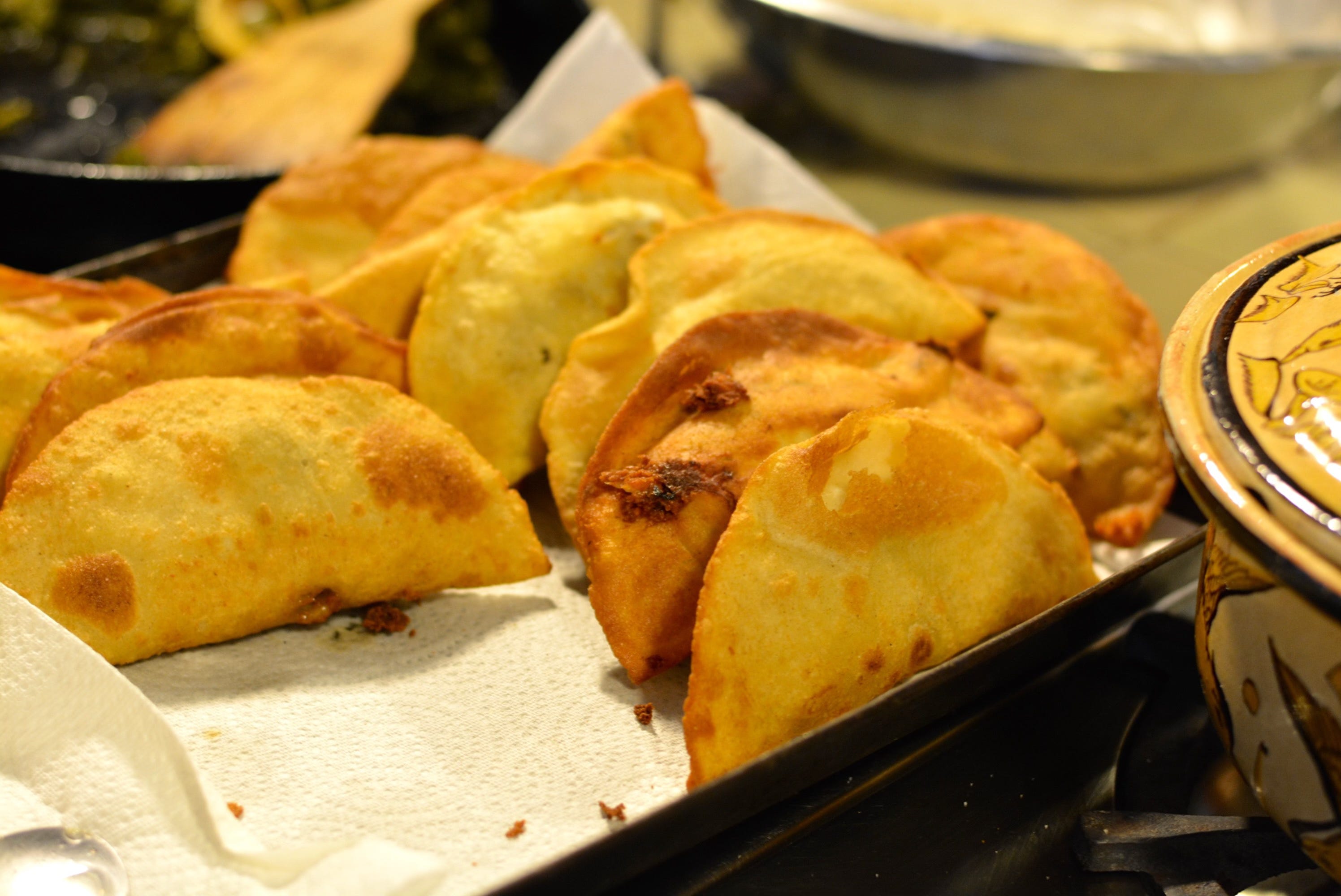
The Creator is driven by a need to make something that did not exist before. She feels the need to reshape her world and leave her mark on it. Her gift is imagination and the courage to bring her inner vision into the world. Her shadow is the paralysis of too many ideas at once, the feeling of running after too many rabbits and catching none.
When I am creating in the kitchen, there is rarely a recipe or a plan. There is only a kind of listening. Something tells me to add the ginger, to try the chilies, to fold the Moroccan spices into the Mexican dough. It feels less like cooking and more like following some secret channel of energy that knows where it is going even when I do not. And when the dish arrives at exactly the right place, it feels like I have finished telling a story.
My Mexican empanadas filled with spiced ground meat and Moroccan herbs taste of coexistence. Two traditions meeting in my hands become a dish neither culture could have invented alone.
This is what I have always been doing in the kitchen without quite realizing it: making coexistence edible. On the plate, cultures become something richer together.
The Ruler — Confidence Seasoned with Instinct
The Ruler takes full ownership of her life. She stops waiting for the right moment and the right conditions. She builds her domain with intention and accepts full responsibility for what happens inside it. Her gift is leadership and the ability to create order from chaos. Her shadow is the grip that tightens when she feels things slipping, the belief that only she can do it right.
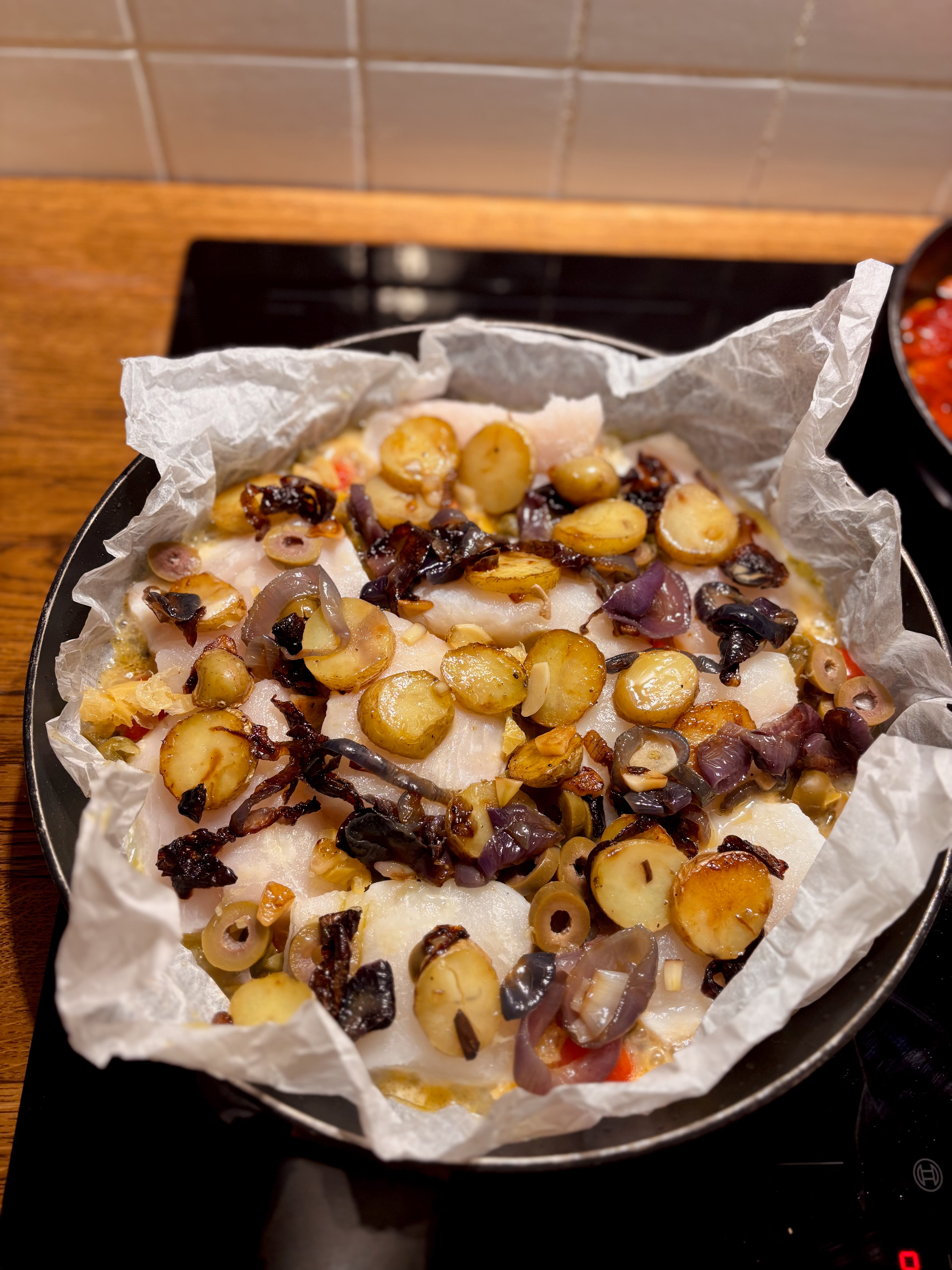
Much of the food I prepare has no recipe and no name. It changes every time. It could be whatever I find in the fridge and the pantry on any given day, prepared with confidence and seasoned with instinct.
There is something radical about opening the fridge or the pantry and trusting yourself completely with whatever you find there. No recipe in mind, just instinct, some confidence and a lot of hunger. In the kitchen as in life, sovereignty is trusting yourself completely with whatever life puts on your plate.
The Magician — Second Life Buckwheat Crepes
The Magician transforms. She changes the conditions so that something new becomes possible, working with intuition, timing, and the invisible thread that connects seemingly unrelated things. She trusts what cannot always be explained, the exact right moment, the exact right ingredient, the gesture that shifts everything. Her gift is alchemy and her shadow is losing the ground beneath her feet when the invisible world pulls her too far from the practical one.
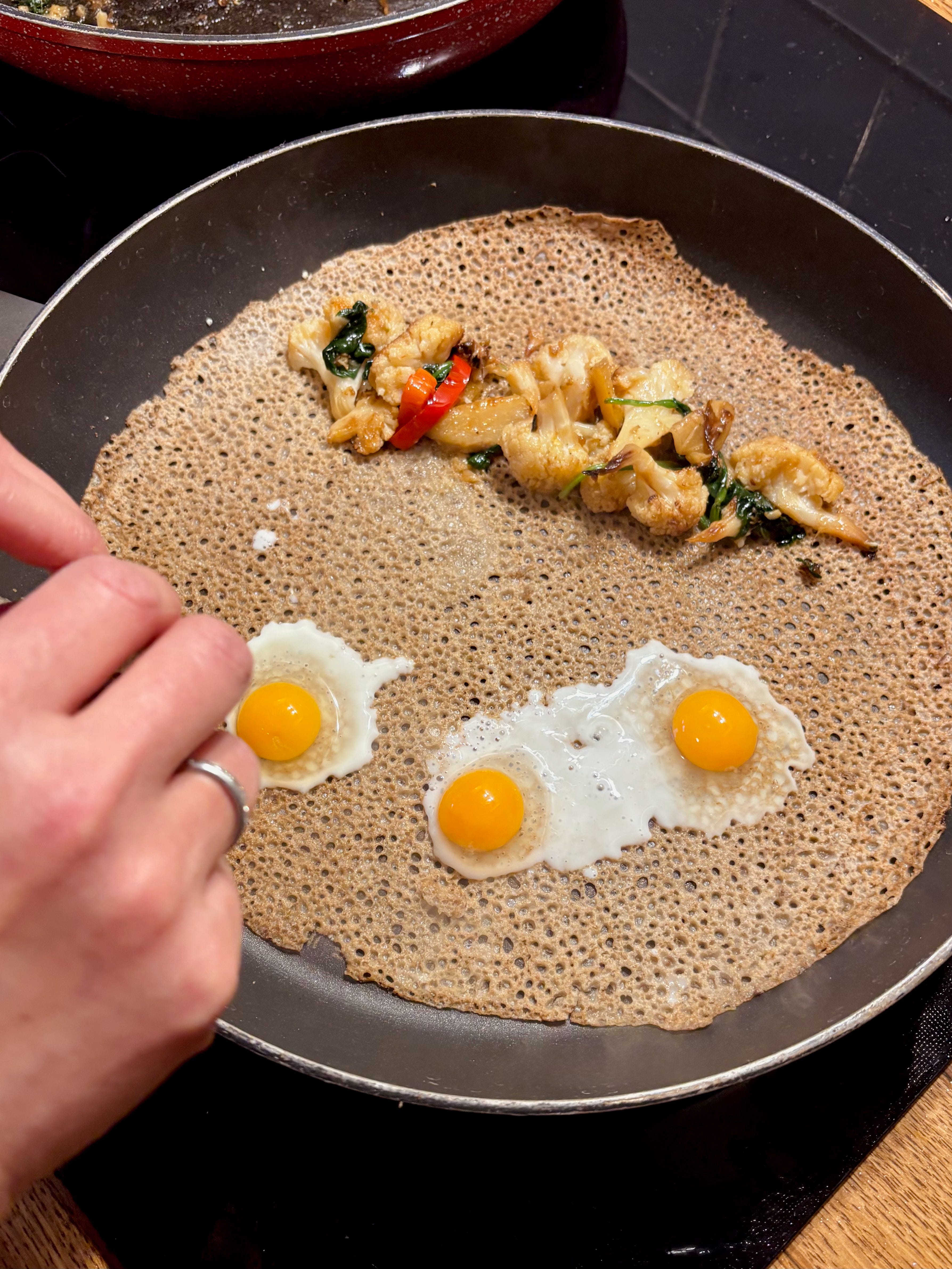
My most magical dish began with leftovers. Roasted cauliflower, red peppers, spinach and artichokes that gave everything they had the night before, suddenly found a second life inside a buckwheat crepe folded around melted cheese and quail eggs, each one nestled like a small, precious crown.
Nothing was discarded or wasted. What looked like the end of one meal became the beginning of something more beautiful than the original. The quail eggs, tiny and perfect, make the whole thing feel like it was planned all along.
The Magician knows that the most powerful transformations rarely require new ingredients. They require a new way of seeing what is already there. In the kitchen and in a life.
The Sage — A Grandmother’s Recipe - Mderbel
The Sage has lived enough to know that knowledge and wisdom are not the same thing. Wisdom can only be earned through time, through loss, through the willingness to sit with what is hard and let it teach you. Her gift is the clarity that comes from having seen enough of life to distill it into what is essential. Her shadow is detachment that becomes coldness, or withholding wisdom because the world does not seem ready to receive it.
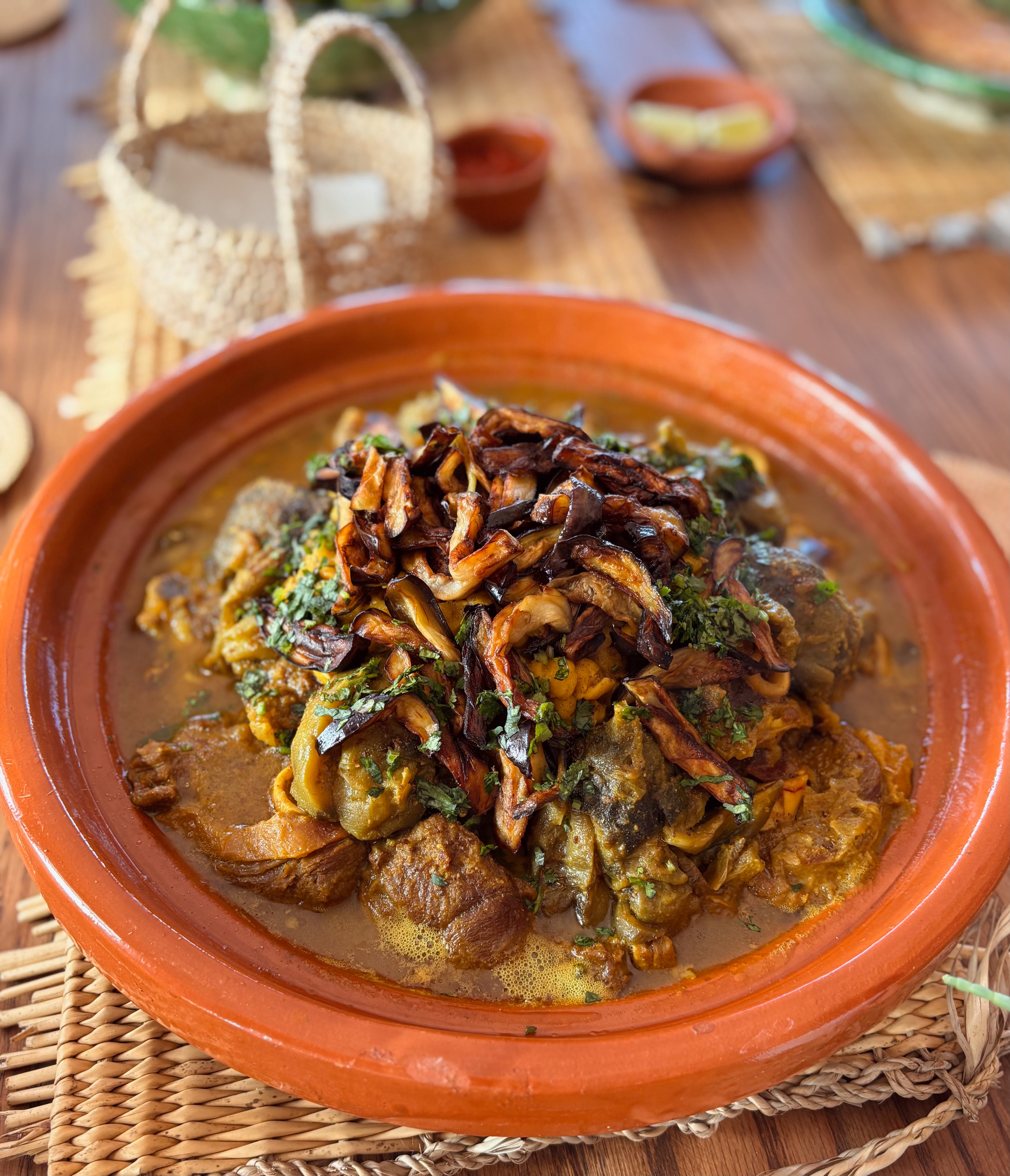
What my grandmother taught my mother, my mother taught me. And now I carry the Mderbel tagine across borders and decades, a dish that lives in three women’s hands.
The Mderbel is layered and patient. The aubergines are prepared two ways: part fried like frites; part slow-cooked with the lamb and chickpeas until they surrender into the sauce entirely. The dish demands attention and rewards care. It cannot be rushed without revealing that you tried to rush it.
The secret ingredient is caraway. Just a pinch, and it goes a long way. A small, invisible thing that transforms the whole pot.
My grandmother is gone. My mother carries her on and I carry them both. And eventually, I made the tagine my own, because that is how wisdom survives. You receive it, you honor it, you master it, and then you bring yourself to it.
The Sage does not only preserve. She transmits. And in transmitting, she transforms.
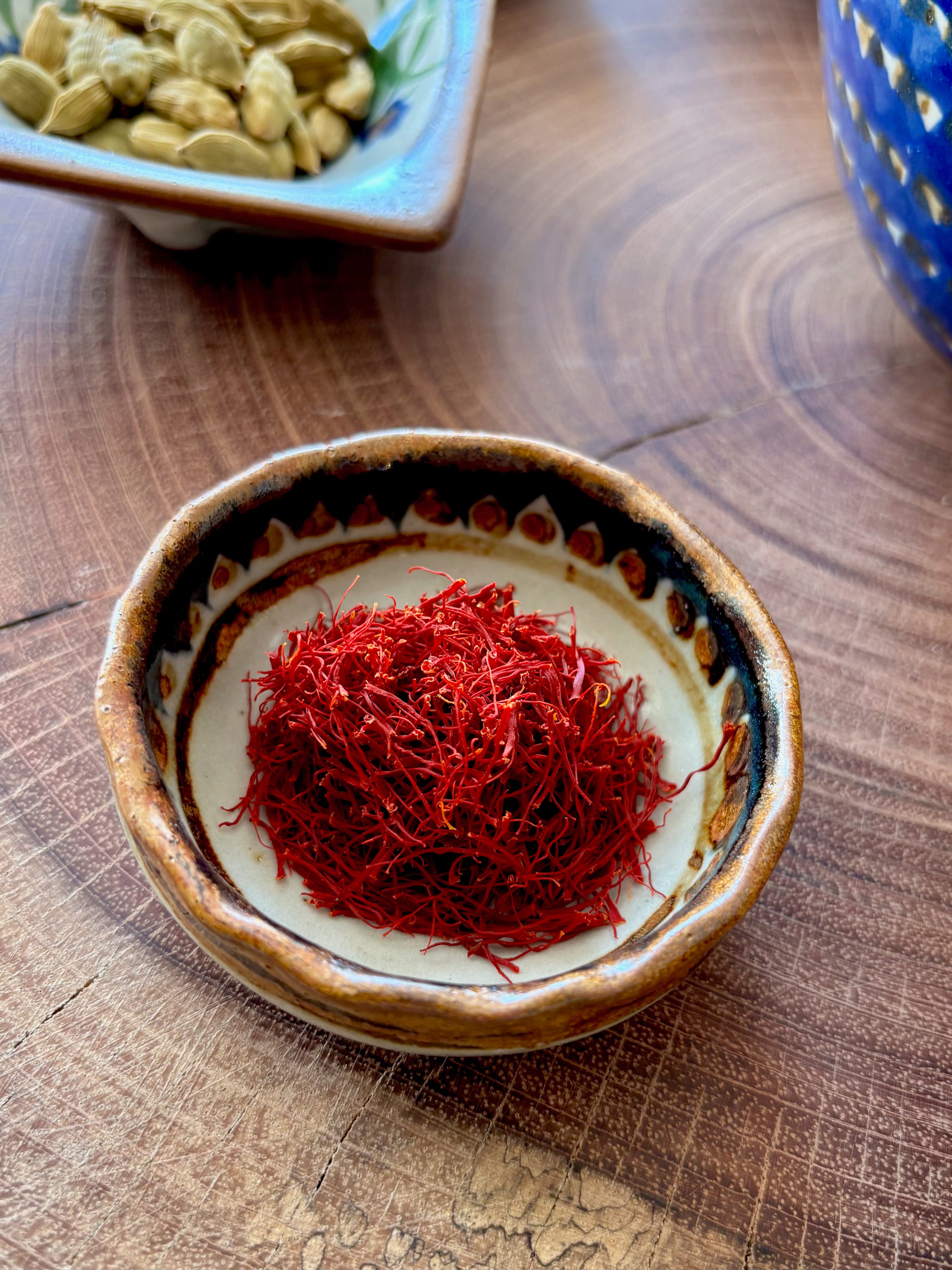
The Jester — A Scoop of Poetic Joy
The Jester knows something the other archetypes sometimes forget. Life is also an experience to be enjoyed. She lives in the present moment because that is the only place joy actually exists, and she speaks truth through humor and lightness in a way that makes people lower their defenses long enough to actually hear it. She also happens to be the one who sees most clearly. The Jester always knows what is actually going on. Her gift is delight and her shadow is the laughter that masks what has never been allowed to grieve.
My Jester enjoys a scoop of saffron ice cream with pistachios, the most precious, poetic flavor combination I know, the saffron golden and faintly floral, the pistachios green and earthy.
Since I cannot find it at the store, I learned to make it myself, with a shortcut I learned from a dear friend. The Jester does not bother with ceremony. She finds the playful path to pleasure and takes it without apology.
People who carry big missions can easily forget the Jester. They are so busy building stuff and writing novels and changing the world, that they forget to eat ice cream in the afternoon for no reason at all.
The Jester is the archetype that keeps all the others from taking themselves too seriously. She reminds us that a soul awakened is also a soul that can laugh. Lightness and depth are companions. They always were.
Where It All Comes Together
Pili spoke about becoming real around the age of 60. About moving from collective purposes to individual meaning. About the courage of desobediencia, disobedience as a path to freedom.
Her explanation of Pearson’s archetypes gave me clarity. The understanding that all these archetypes live inside each of us, some more developed than others, each with its own energy, gifts and shadows.
Listening to Pili felt like being handed a map of myself. I became more understanding toward who I had been, and more patient with who I was still becoming.
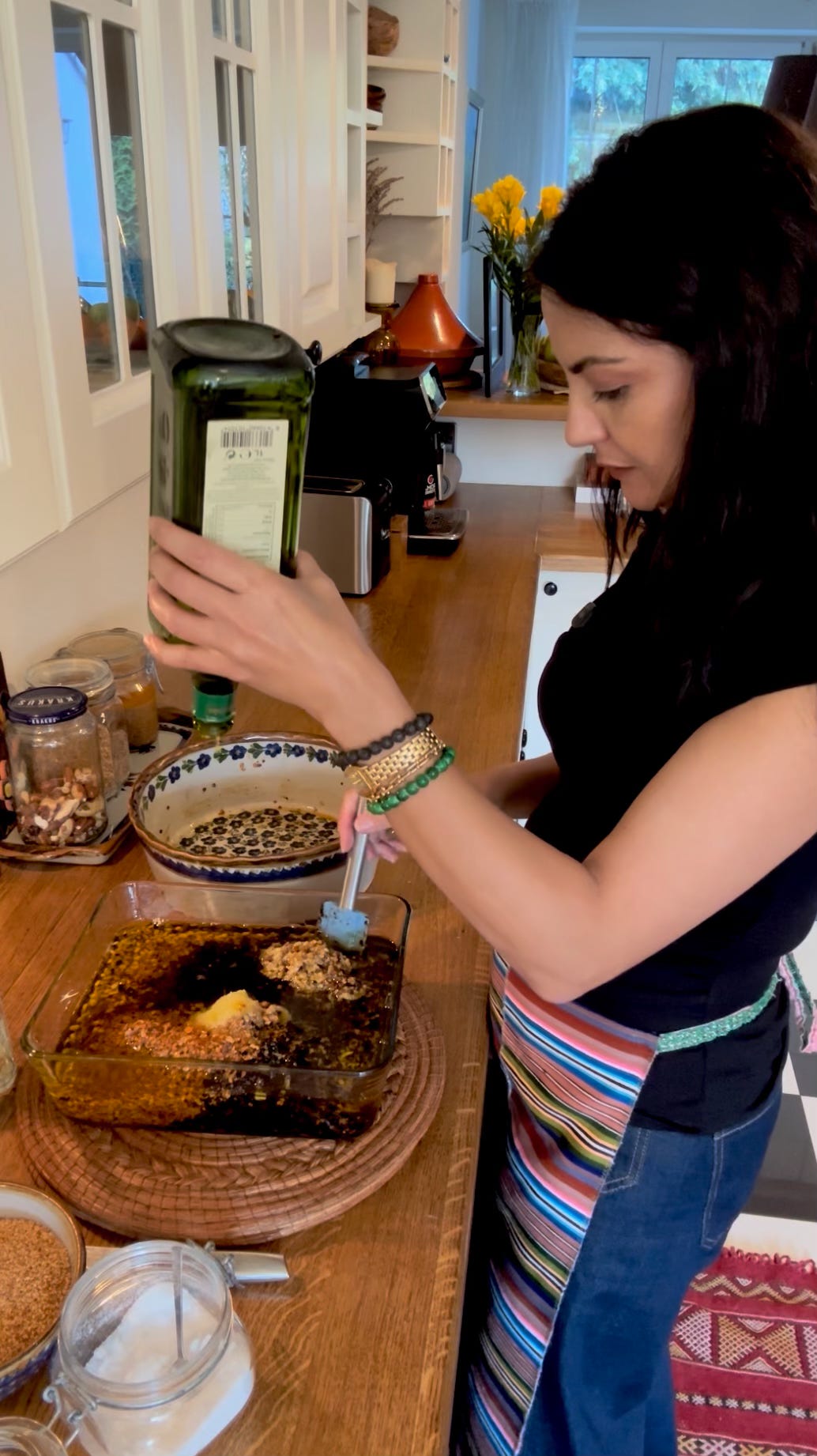
And I, sitting in my kitchen between Morocco and Poland, between past and future, between the five-year-old stuffing tomatoes and the woman making saffron ice cream with a shortcut, understood something I had always felt but never quite named.
The kitchen has always been my laboratory for coexistence, the capacity to appreciate our differences while remaining loving and respectful. Every dish I make carries that belief that we are richer when we learn from one another, across cultures, across generations, across the distances we travel and the borders we dissolve.
All of it, every dish, every archetype, every country, every loss, every reinvention, has been in service of one single vision: adding, one by one, people who feel connected to their souls. People who are awake inside themselves and remember they are fully human.
The kitchen is where I have always known this. Before I had the words for it.
Now I want to ask you: Which archetype are you living right now? And what are you eating?
With love,
Sanaa
Only 2 spots left for our upcoming Moroccan Food Writing Retreat!

Absolutely amazing text my dear!
How you understood that everything is woven! You are sooo creative! And I loved what you share in every station of your life.
I just loved it my dear!
Thank you!!!!!!